Why Choose Wood-Look Flooring
The Aesthetic Appeal of Natural Timber
Timber grain is the first detail the eye registers in a room. People notice the pattern before they notice the colour; they register shape before tone. Wood-look flooring respects this by replicating grain with high definition print and tactile embossing, creating a depth that flat printed alternatives cannot match.
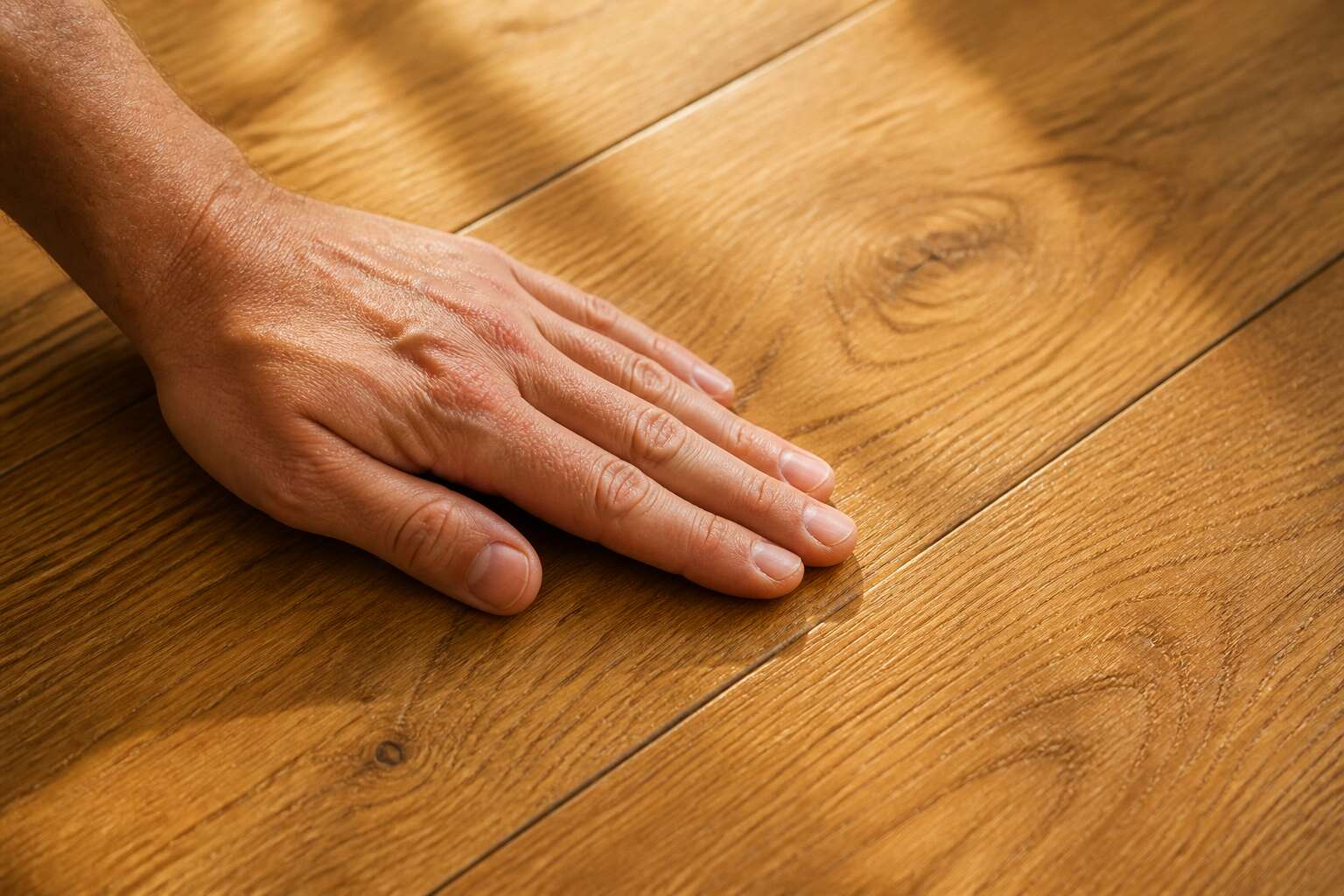
I watched a colleague inspect a wooden floor tile recently. She ran her fingers across it, pressed her palm flat, then nodded. A genuine test, and the surface passed! The tactile and visual cues aligned.
Consider what natural timber offers aesthetically:
- Grain lines that break up large surface areas
- Subtle colour shifts between adjacent planks
- A texture that catches glancing light
A wooden floor tile designed with care recreates these qualities. It delivers the visual presence of natural timber while offering consistent sizing and simple installation. For South African homes in particular, this combination of authentic appearance and long term reliability is worth serious consideration.
Durability and Moisture Resistance
South Africa’s climate is a test of materials. Humid coastlines, dry interiors, and sudden summer storms all challenge everyday surfaces. A wooden floor tile must endure far more than beauty standards. It faces water, heat, and the relentless rhythm of daily life.
Natural timber can warp, swell, or stain under moisture. Wood-look flooring avoids these failures entirely. Dense ceramic and porcelain cores resist water absorption, so spills sit on the surface until wiped away. No sealing, no waxing, no worry. This stability makes it a practical choice for open-plan living spaces that connect directly to patios or gardens.
Durability matters equally. Scratches from furniture, scuffs from shoes, and the constant shuffle of feet leave their mark over time. A wooden floor tile with a high-quality wear layer shrugs off these impacts. It maintains its colour and texture for years, even in sun-drenched rooms where UV rays fade weaker products.
This combination of moisture resistance and long-term toughness gives homeowners freedom. You can place it in kitchens, bathrooms, and even laundry areas. The floor adapts to your life, not the other way around.
Eco-Friendly and Sustainable Options
Timber floors carry a hidden cost. Every plank came from a tree that took decades to mature. A wooden floor tile delivers the same visual character without the environmental toll. Made from natural clays and minerals, it is fired at high heat and built to endure across generations.
Consider what this means in practice:
- Process water is recycled during manufacturing
- Waste kiln heat is recovered and reused
- Old tiles are crushed and repurposed as aggregate
South Africa’s forests are under pressure. Every square meter of flooring you choose either protects or depletes them. For us, that is a decision worth making deliberately. Wood-look porcelain offers a solution that lets homeowners enjoy the craft and warmth of timber while keeping trees standing. The environmental impact of your floor begins long before installation. Choosing a wooden floor tile means choosing sustainable production from quarry to showroom.
Versatility in Interior Design
Few materials bridge the gap between rustic and contemporary as seamlessly as a wooden floor tile. It suits a Cape Dutch farmhouse and a Sandton loft with equal ease. Because the pattern is printed and textured, it can mimic rare or weathered timbers that would be impractical to source. This opens a wider range of design possibilities than solid wood.
A wooden floor tile also keeps the visual language of your home consistent. You can run it from an open-plan kitchen into a patio area without the usual worries about moisture or temperature shifts. It ties spaces together, which many homeowners find useful.
Consider these interior directions:
- Scandinavian minimalism with pale, matte finishes
- Industrial style with dark, reclaimed looks
- Transitional spaces that blend modern and traditional furniture
The result is a floor that adapts to your tastes rather than dictating them.
Exploring Types and Materials
Solid Hardwood vs. Engineered Wood
People rarely consider that a wooden floor tile carries the structural signature of its origin. Solid hardwood is cut from a single piece of timber, so each plank maintains a continuous grain and responds to humidity as one unit. Engineered wood, by contrast, is built in layers. A core of plywood or high-density fibre sits beneath a veneer of authentic hardwood.
Choosing a wooden floor tile forces a confrontation with your own priorities. Do you value the permanence of a material that can be sanded and refinished repeatedly? Or do you prefer the dimensional stability of a product engineered to resist warping?
Consider what each option demands:
- Solid hardwood requires acclimatisation to the local climate before installation.
- Engineered wood offers more width options and often works over underfloor heating.
Neither choice elevates you morally. Both carry distinct maintenance demands.
Porcelain and Ceramic Wood-Look Tiles
Porcelain and ceramic wood-look tiles reproduce the appearance of timber without the maintenance demands. A wooden floor tile made from hardwood requires climate acclimatisation, while these fired options install directly onto prepared subfloors after a simple moisture test.
Porcelain has a higher density and lower water absorption, making it suited to bathrooms and entryways. Ceramic is lighter, so you can score and cut it with standard tools, though it resists impact less effectively. Both types use digital inkjet printing to mimic grain patterns, and rectified edges allow tighter grout lines.
- Porcelain suits outdoor patios and wet zones
- Ceramic works well in bedrooms and studies
Thermal expansion differs between tile and subfloor, so an expansion gap remains necessary around the perimeter.
Luxury Vinyl Plank Alternatives
Vinyl plank now accounts for nearly a third of new flooring sales in South African coastal cities, yet its service life trails natural materials by decades. The tactile character of a wooden floor tile remains the standard that polymer surfaces cannot fully match.
Bamboo and cork stand as natural alternatives. Bamboo, or Dendrocalamus asper, delivers a harder Janka rating than oak. Cork contains suberin, giving it fire resistance and acoustic damping. Both require climate awareness, particularly in Johannesburg’s dry winters and Durban’s humidity.
These material families deserve comparison:
- Strand-woven bamboo resists denting under heavy furniture
- Thermally treated cork expands minimally in heat
- Water-resistant laminate balances cost with durability
Each material behaves differently under foot. Bamboo feels firm, cork yields gently, laminate stays neutral. A wooden floor tile from bamboo or cork develops a patina rather than peeling at the edges. That is something vinyl cannot claim, no matter how convincing the printed grain appears.
Bamboo and Reclaimed Wood
Bamboo and reclaimed wood present two distinct characters for a wooden floor tile. Bamboo, harvested from managed Asiatic groves, offers a dense, uniform surface that rivals traditional oak in hardness. Reclaimed wood, salvaged from old Cape Town warehouses and Johannesburg factories, carries nail holes and saw marks that chronicle its previous life.
The practical differences matter when choosing:
- Bamboo handles Durban’s humidity better when properly sealed
- Reclaimed wood, aged for decades, offers dimensional stability during Highveld winters
- Bamboo takes stain evenly; reclaimed wood absorbs finish unevenly, a trait many owners favour
Installation also diverges. Bamboo expands and contracts with seasonal shifts. Reclaimed wood has already weathered those cycles. Each material shapes a wooden floor tile very differently, and neither mimics anything else.
Choosing the Right Finish and Texture
The selection of a wooden floor tile becomes an act of self-definition. Each species and cut reveals what you value underfoot. I have watched clients linger over oak versus meranti, their hesitation exposing priorities more clearly than any spec sheet. Finish and texture carry equal weight. They alter how light behaves across the room and how footsteps sound at 2am. Consider three directions:
- A matte polyurethane for low glare
- A hand-scraped surface for tactile warmth
- A wire-brushed face that softens the grain
Each changes the spatial character. The texture also influences upkeep. A smooth finish demands frequent dusting; a distressed one forgives skipped weekends.
Installation Methods and Best Practices
Preparing the Subfloor
Nearly 70% of installation problems start below the surface. Preparing the subfloor matters more than the plank you choose. A wooden floor tile will only perform as well as the substrate beneath it.
Start with moisture testing. Concrete slabs in Gauteng often hold excess humidity. Use a hygrometer to measure relative humidity below 75 percent. Then check levelness. A 3 meter straightedge should reveal gaps no deeper than 3 millimeters. Fill low spots with self leveling compound.
Follow this order:
- Remove existing flooring and debris.
- Grind or smooth high points.
- Apply a damp proof membrane.
- Acclimate the planks for 48 hours.
Skip these steps and you invite creaks, buckling, or gaps. Take the time before you lay down a wooden floor tile.
Floating vs. Glue-Down vs. Nail-Down
Three installation methods dominate the trade, and each one changes how a wooden floor tile performs underfoot. Floating systems lock planks together without adhesive. Glue-down methods bond the wood directly to the slab. Nail-down uses fasteners, but it demands a timber base, which many South African homes lack.
The trick is matching the method to your environment. Here is the breakdown:
- Floating: best for do-it-yourself efforts and rooms with radiant heat.
- Glue-down: excellent for high-traffic areas where stability matters.
- Nail-down: reserved for solid timber over wooden joists.
Your climate influences the decision too. Highveld humidity makes floating systems attractive because they allow expansion. Glue-down floors in Gauteng require moisture barriers beneath every board. A wooden floor tile will only stay true if you respect its need to move.
Patterns and Layouts: Herringbone, Staggered, and More
Fifteen percent of flooring waste is born in the layout, not the plank itself. Herringbone patterns deliver dramatic zigzags, while staggered layouts provide a more uniform appearance with less cutting. Installing a wooden floor tile in a running bond keeps waste low and installation time short. Basketweave and chevron add visual density, but they demand precise mitre work and extra patience. Let the room’s proportions guide the choice. Narrow hallways benefit from diagonal runs that lengthen sightlines. Open-plan living areas handle wide, staggered boards without visual chaos.
Waste factors vary dramatically by pattern.
- Straight stagger: 5 percent waste.
- Herringbone: 15 percent or more.
- Basketweave: 20 percent if the subfloor is uneven.
Each layout shifts how light falls across the surface. A wooden floor tile responds to orientation; the same plank can look warm in one direction and cool in another.
Underfloor Heating Compatibility
Underfloor heating rewards patience and precision. The right adhesive transfers heat three times faster than air alone, but the floor covering must cooperate. A wooden floor tile with thermal conductivity below 0.09 W/mK will act like a blanket, trapping warmth instead of releasing it upward. Engineered planks outperform solid timber here because their layered construction resists the constant expansion and contraction cycles that heating creates.
The installation method changes everything. Floating floors over a heating mat leave an air gap that diminishes heat transfer. Glue-down installation bonds the tile directly to the warmed subfloor, cutting response times noticeably. Nail-down methods require a plywood underlayment that slows conduction, making them the least efficient choice for heated rooms. The thickness of a wooden floor tile matters as well, boards above 18mm thick simply take too long to reach surface temperature.
1. Confirm the heating system reaches stable surface temperatures below 27°C.
2. Select engineered boards with a maximum thickness of 15mm.
3. Choose adhesives explicitly rated for thermal cycling.
4. Acclimate the planks at the heated floor’s operating temperature for 72 hours.
The interaction between timber and heat depends on humidity. Johannesburg’s dry winters already pull moisture from wood. Add underfloor heating and the rate accelerates. A wooden floor tile acquires a permanent cup or crown when installed too quickly after the heating season starts. Run the system for three days before installation to remove residual slab moisture. Cracks appear later, not earlier, when installers skip this step. Thermal movement still happens, but proper acclimation keeps the movement microscopic. The science is straightforward, a wooden floor tile works beautifully with radiant heat when the materials are dry, the adhesive is flexible, and the temperature remains moderate.
DIY vs. Professional Installation
I have laid a wooden floor tile by lamplight and regretted it by morning. DIY installation demands honest self-assessment. Floating floors forgive small errors. Glue-down systems expose every hesitation. A professional installer brings calibrated tools and moisture meters. They measure flatness, check humidity, and plan expansion gaps before the first adhesive bucket opens.
The real decision hinges on scale and risk:
- One room under 20 square metres: DIY is viable
- Whole house or open plan: hire a professional
- Manufacturer warranties often require certified installers
Professionals charge for their failures as much as their success. The DIY route costs less and teaches more. Both paths end with the same warm surface under bare feet.
Maintenance and Longevity
Cleaning Dos and Don’ts
Cleaning errors, not wear, ruin most wooden floors. I have seen a wooden floor tile dulled by a single soak of soapy water. The finish suffers when moisture lingers.
- Dust with a dry microfiber pad daily.
- Use a damp cloth for sticky spots, then dry immediately.
- Keep deep cleaning to a pH neutral product.
Skip steam mops and harsh detergents completely. They strip the protective layer and invite swelling. This simple routine extends the life of your flooring without extra effort!
Protecting Against Scratches and Dents
Scratches and dents rarely happen during dramatic moments. They come from a chair leg sliding an inch, a dropped key, a pebble trapped under a running shoe. By the time you notice a scratch on a wooden floor tile, the damage is done.
- Felt pads under every table foot and chair leg cost almost nothing.
- Runners in high traffic zones catch the grit that causes fine scratches.
- Lifting furniture instead of dragging it prevents deep gouges.
Heavy appliances create dents that cannot be repaired without refinishing. The weight of a fridge or a piano sits on four small points. Even a wooden floor tile with a quality finish will yield under that kind of concentrated pressure. Guard those points and your surface stays smooth for years.
Refinishing Options for Solid Wood
Most homeowners overlook the most valuable property of solid hardwood: it can be restored. While engineered boards and vinyl lookalikes have a fixed lifespan, a solid wood floor carries a reserve of material that allows the surface to be reborn through abrasion.
A wooden floor tile from kiaat or oak typically offers enough thickness for five to seven sanding cycles. Each cycle removes about a millimetre of wood. That seems small until you watch a 40-year-old floor emerge with grain as crisp as the day it was installed.
Sanding is half the work. The refiner must choose between a surface finish and a penetrating oil. Surface finishes sit on top and can be screened and recoated. Penetrating oils soak in and need maintenance coats every few years.
Listen for these signs:
- The floor looks tired despite regular cleaning
- Faded, milky patches appear near windows
- Edges of the planks feel raised to the touch
Dealt with early, a wooden floor tile becomes an heirloom.
Repairing Damaged Planks and Tiles
When a wooden floor tile suffers a gouge or water stain, the repair is not a mystery. The affected plank is cut out and replaced with a sister board, then sanded to blend. In South African homes with kiaat or oak, this preserves the grain’s continuity.
Yet longevity depends on vigilance. A creaking board or a slightly raised edge signals moisture beneath. Catching these signs early avoids replacing a larger section. Solid wood’s reserve means the repaired area can be sanded again, if the floor is still thick.
- Inspect plank edges for gaps after the rainy season
- Test for soft spots with a screwdriver handle
- Keep spare boards from the original installation
That spare board is valuable. Without it, you might source a wooden floor tile from a demolition yard, but the age will differ. A new piece stands out until it weathers. Maintenance coats help it blend.
Seasonal Care and Humidity Control
South African winters turn homes into arid deserts, and summers into steam rooms. Your wooden floor tile has opinions about both, believe me.
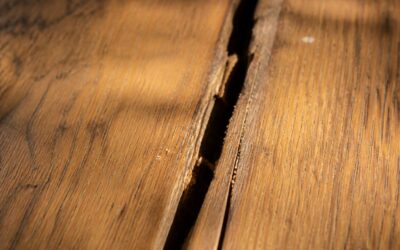
Humidity swings make timber expand and contract. When the air dries out, gaps appear between planks. When moisture creeps back, those gaps vanish. This is not a flaw, it is the wood breathing.
- Check gaps in September and March
- Monitor indoor humidity with a hygrometer
- Use a dehumidifier in coastal summers
Keep the indoor relative humidity between 40 and 60 percent. A stable climate means a wooden floor tile stays flat and quiet. Cracks and squeaks are nature’s complaints, so listen.
Cost Considerations and Value
Price Ranges Across Materials
Most homeowners assume the most expensive material delivers the best value. That assumption can cost you thousands. A wooden floor tile in solid meranti might set you back R450 per square metre, while a quality porcelain wood-look tile often lands near R300. The gap narrows once you factor in installation and maintenance.
Consider the full lifecycle. Solid hardwood offers refinishing potential, but engineered timber resists moisture better. Porcelain and vinyl prices fluctuate, yet each serves a different purpose. For budget-conscious projects, laminate mimics a wooden floor tile at under R200. For longevity, invest in the mid tier.
- Solid hardwood: R400 to R800 per m2
- Engineered wood: R350 to R600
- Porcelain tile: R250 to R500
- Luxury vinyl: R200 to R400
These ranges reflect South African retail prices, excluding labour. I have watched homeowners overspend on materials that fail quickly. Your choice depends on traffic, humidity, and your tolerance for upkeep.
Installation and Labor Costs
Installation labour can add 30% to 50% to your flooring budget. That is the figure most quotes omit. A wooden floor tile with a floating profile costs less to lay than a glue-down system, yet many contractors charge a premium for the latter because the subfloor must be flawless.
Here is what I watch for when pricing installation:
- Subfloor preparation, which can double labour time.
- Cutting around door frames and corners.
- Expansion gaps along walls.
- Removal and disposal of old flooring.
Skilled tilers in Johannesburg and Cape Town charge between R150 and R250 per square metre. Acclimatisation, underlayment, and transition strips add further costs. The cheapest quote rarely includes these. Ask for a line item breakdown before signing! A professional fitter will ensure your wooden floor tile performs for decades, whereas a rushed installation fails within months.
Long-Term Value and Resale Impact
The true cost of flooring appears after installation, not before. A wooden floor tile from a reputable brand may cost more than a budget alternative, but the total expense includes maintenance products, periodic sealing, and eventual refinishing. Cheap tiles often need replacement within a decade, while better materials last generations.
Long-term value comes from durability and timeless appeal. Estate agents in Johannesburg note that homes with natural wood floors sell faster and attract higher offers. Buyers perceive a wooden floor tile as a premium finish, reducing their planned renovation budget. The resale impact comes from three characteristics:
- Natural variations hide daily wear.
- It fits both modern and classic interiors.
- It requires no chemical cleaning agents.
Budget-Friendly Alternatives
Most homeowners fixate on the upfront price, yet the real expense surfaces over time. That cheaper option might seem tempting, but its shorter lifespan inflates the annual cost. In my experience, calculating the price per square metre per year of service reveals the genuine budget choice. You do not need to sacrifice quality to save money. Explore these routes instead:
- Source offcuts or discontinued lines from local suppliers in Johannesburg.
- Purchase factory seconds with superficial scratches that can be buffed out.
- Install a wooden floor tile only in main living areas, then pair it with a cheaper floor in bedrooms.
Each strategy cuts initial spending while preserving the premium look buyers expect. Verify the warranty and moisture rating before committing. A savvy buyer always does. The savings multiply when you avoid premature replacement.
Warranty and Lifespan
Price per square metre is only the first number. The real cost of a wooden floor tile surfaces over years of use, through maintenance, repairs, and eventual replacement. I have seen homeowners save R50 per square metre upfront, then pay triple that for early restoration.
- Wear layer thickness on engineered wood
- Finish warranty duration
- Moisture rating for your climate
Warranty terms reveal the manufacturer’s confidence. In Johannesburg, where humidity swings between dry winters and wet summers, the moisture rating matters as much as the finish. A 25 year warranty signals stability. A five year warranty should raise questions about the product’s lifespan.

0 Comments