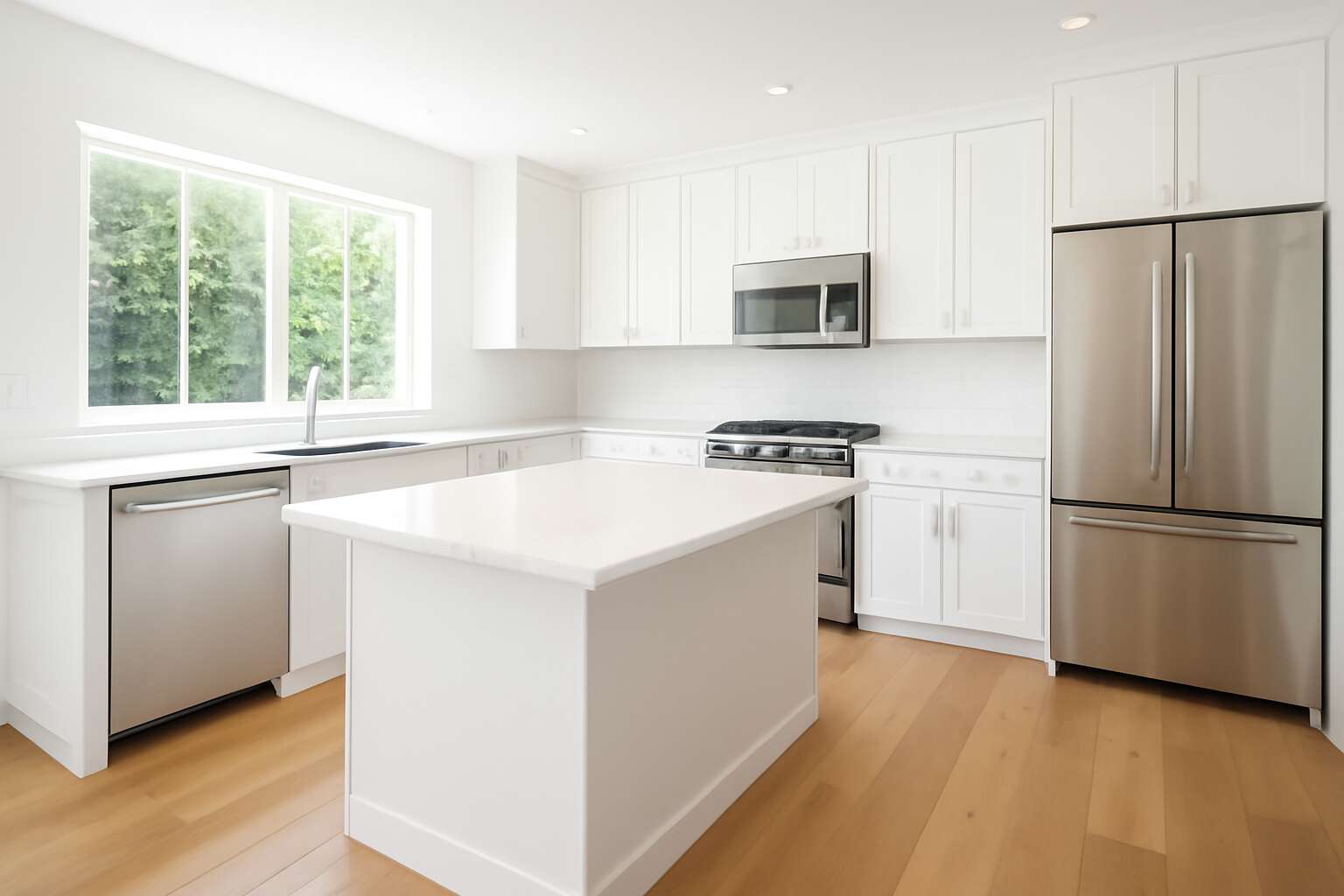
Design and Aesthetics of Timber Flooring in the Kitchen
Choosing the Right Wood Species for Kitchen Durability
Durban and Cape Town kitchens alike reveal a truth: timber floors carry more than footsteps; they carry character. A seasoned designer notes, “The grain tells a story of the kitchen.” The design and aesthetics hinge on grain, tone, and finish. A wooden floor kitchen can bring warmth to daily tasks, catching morning light and aging gracefully. Subtle bevels and tailored profiles create quiet sophistication, while engineered boards offer stability under spills and the humidity swings that Southern summers and winter mornings bring.
Choosing the right wood species for kitchen durability matters as much as color and grain in a South African home. The right grain and finish can hide a busy morning’s scuffs while keeping a warm, inviting look. Here are three trusted choices for busy spaces:
- Iroko (African teak) — rugged, amber-toned timber that resists moisture and scuffs.
- Oak — a classic, open grain that takes finishes evenly and ages gracefully.
- Teak or Cumaru — dense, durable options that handle heat, spills and high traffic.
Color and Finish Options for Kitchen Wood Floors
In a wooden floor kitchen, light slides along grain like a quiet melody, and the space hums with character. A designer murmurs, “The grain tells a story of the kitchen,” and you feel that truth settling in—grain, tone, finish choreographing every morning ritual. The surface catches sunbeams, glows into evening, and ages gracefully. Engineered boards offer stability under spills and humidity swings, while bevels and tailored profiles whisper sophistication.
Color and finish choices color the mood as surely as light. For a kitchen that ages gracefully, opt for finishes that balance gloss with practicality; matte or satin hides scuffs, while water-based products resist yellowing in bright SA sun. Oils offer depth and a tactile, hand-rubbed feel.
- Warm honey and amber tones to lift mornings
- Neutral browns and soft greys for versatile palettes
- Rich chestnut or charcoal for drama and contrast
Layout and Pattern Ideas for Wooden Kitchen Floors
“The floor is the quiet score of a kitchen,” a designer murmurs, and in a wooden floor kitchen the day begins with grain that hums. Cape Town light skims over the boards, turning morning rituals into a living texture, where tone and texture converse with copper pot lids and sunlit counters.
Design and aesthetics unfold in layout and pattern—wide planks for a timeless drift, or subtle angles that carve zones without shouting. The grain catches the morning beam and travels around islands, framing cabinetry as if the room itself were a stage.
- Single-plank runs the length for a calm corridor
- Herringbone around islands or dining areas adds energy
- Chevron frames a kitchen with a tailored, modern edge
Light and grain persist as a quiet dialogue, turning daily meals into a gallery of texture and warmth that welcomes family and visitors alike.
Matching Cabinets and Countertops with Wood Flooring
“The floor is the room’s heartbeat,” a Cape Town designer says, and in the kitchen the grain turns morning light into living texture. Wood hums with warmth, guiding your steps from sink to stove as copper lids catch the glow and counters reflect a soft, artisanal radiance.
Designing around cabinets and countertops means listening for a shared mood. Let undertones decide pairing: honeyed oak with cream cabinetry and quartz that whispers, or smoky walnut with marble-veined surfaces for contrast. The goal is harmony, not matchy-matchy, with a satin or low-sheen finish that lets the grain speak.
- Honeyed oak doors with pale stone countertops
- Walnut cabinetry paired with charcoal countertops
- Ash or maple with soft white accents
In a wooden floor kitchen, light and grain become a chorus that elevates everyday meals into a gallery of warmth and texture, rooted in the South African sun and Cape Town’s unique glow.
Performance and Maintenance of Wooden Kitchen Floors
Moisture Resistance and Sealants for Kitchen Floors
A robust wooden floor kitchen can endure three decades with proper care, a statistic that hints at performance under pressure. In South African kitchens, warmth and resilience go hand in hand: a surface that withstands traffic and spills while aging gracefully.
Moisture resistance and sealants are the hidden guardians of this living wood. A finish designed for moisture preserves color and forms a barrier against steam and splashes. The right sealant—water-based polyurethane, oil-modified urethane, or a penetrating option—shapes appearance, odor, and durability.
- Water-based finishes offer lower odor and quicker cure, ideal for busy kitchens
- Penetrating sealants provide deep moisture resistance while preserving a natural look
- Urethane finishes balance hardness and color retention under heat and humidity
With the right protective layer, this surface remains a welcoming stage for daily life.
Cleaning Rituals to Preserve Wood in a Kitchen
In a South African kitchen, where sun and steam collide, a wooden floor kitchen can outlast chaos with the right rituals!
- Vacuum with a soft brush to remove grit.
- Wipe with a barely damp microfiber cloth; dry immediately.
- Use a pH-neutral cleaner sparingly; never soak.
- Place mats at entrances and protect with felt pads under furniture.
These routines preserve the warmth of the wooden floor kitchen, without dulling its character or inviting moisture into the heart of the wood. Enduring, quiet, and a touch supernatural in its resilience—the floor keeps pace with a family’s daily drama.
Preventing Scratches and Dents on Wooden Floors
South Africa’s sunfire kitchens demand more than good looks from a wooden floor kitchen. With heavy traffic, steam, and the odd dropped utensil, durability matters. A hardwearing finish and a dense species give the floor resilience; polyurethane tops the chart for scratch resistance, while hardwax oils blend warmth with protection. “A floor isn’t just a surface; it’s a memory you walk on,” says a seasoned craftsman. Proper pairing of boards and finish creates a surface that holds up under daily drama.
Performance and maintenance go hand in hand. Choose a structure that tolerates movement and seasonal humidity without showing wear. Periodic checks, subtle repairs, and a careful eye on joints extend life and keep the wooden floor kitchen looking honest and inviting. The goal is quiet resilience rather than showy protection, so the floor keeps pace with a family’s daily routine.
Installation Considerations for Kitchen Timber Flooring
Subfloor Preparation and Moisture Testing
The kitchen timber floor is more than style—it’s a test of climate, prep, and care. In South Africa, moisture missteps top the list of installation woes, turning a pristine wooden floor kitchen into a cupped, creaking mystery if subfloor preparation isn’t airtight!
Subfloor prep begins dry, clean, and flat. Aim for minimal variance, add a vapour barrier where needed, and let timber acclimate for 5 to 7 days to lock in stability before laying.
Moisture testing is non-negotiable. For a wooden floor kitchen, use a meter to confirm subfloor and boards sit within acceptable ranges; if the gap edges toward 2% difference or 12% substrate moisture, hold off until readings settle.
Key checks during installation:
- Acclimate to room conditions for several days
- Confirm subfloor and timber moisture match
- Provide expansion gaps and a clean, dust-free surface
Engineered vs Solid Wood for Kitchens
Engineered timber or solid wood? For a wooden floor kitchen, the choice isn’t just about charm—it’s a weather forecast in wood. In South Africa’s variable climate, engineered wood often offers steadier performance under heat, humidity, and occasional spills, while solid wood carries warmth and the promise of renewal through sanding. The decision hinges on subfloor reality, underfoot conditions, and how much you value future refinishing versus upfront stability.
- Subfloor compatibility and recommended installation method
- Moisture management and appropriate underlayment
- Finish durability and refinishing potential
- Compatibility with heating and cooling systems
Ultimately, the right path balances climate, traffic, and lifestyle to create a surface that feels like part room, part heritage.
Expansion Gaps and Transition Strips
In South Africa’s sunlit kitchens, timber conducts the daily tempo—the floor warming, contracting, and aging with the day. “Timber breathes,” a veteran craftsman likes to say, and a wooden floor kitchen should learn its language, moving with the seasons rather than against them.
Expansion gaps are the quiet architects of longevity—giving boards room to swell and retreat with humidity and heat! Transition strips stitch doorways and thresholds into a single story, guiding feet and sightlines with grace.
- Allow natural movement without buckling
- Preserve clean lines at door transitions
- Maintain edge alignment around islands and thresholds
In this space, the choice of gaps and strips reflects climate, traffic, and design philosophy—an echo of heritage meeting modern practicality. The flow remains harmonious, even as the floor breathes with the room.
Professional Installation vs DIY: Pros and Cons
That first step into a wooden floor kitchen sets the tone for years to come. Precision matters! A veteran installer says, “The finish begins where the board ends,” and that wisdom shows in every cut. In South Africa’s sunlit homes, the install is a plan that respects heat, humidity, and busy kitchens.
Three decision levers shape the install:
- Acclimation needs and room climate before laying
- Installation method: glue-down, nail-down, or floating
- Budget, timelines, and warranty expectations
Professional installation brings precision, edge control on plinths, and warranty protection. It costs more and requires coordination. DIY can save money and deliver ownership, yet the risk of misaligned planks or uneven transitions is real. In busy zones, that risk is amplified.
Underlayment and Sound Dampening
“The secret is in the underfoot hush,” a veteran installer likes to say—and that truth travels through every corner of a wooden floor kitchen. Underlayment and sound dampening aren’t afterthoughts; they mold warmth, quiet, and longevity. In South Africa’s sunlit homes, a thoughtful layer shields timber from humidity swings and keeps the clatter of pans from turning into a chorus.
Here are the decision levers that carry this to a comfortable finish:
- Underlayment type and thickness influence warmth, sound transmission, and moisture control
- Moisture barrier compatibility with subfloor and timber
- Acoustic ratings and warranty implications
In this space, the right pairing respects heat, humidity, and everyday life, letting families linger at the counter a moment longer to savor the quiet.
Cost, Sustainability, and Longevity of Wood Floors in Kitchens
Upfront Costs, Lifespan, and Return on Investment
In South Africa, a wooden floor kitchen brings warmth and character to every meal. Upfront costs hinge on timber, skilled installation, and essential pre-installation assessment to ensure a smooth, even surface. Premium species or extra-wide planks push the budget, but smart choices and local craftsmanship often yield lasting value rather than fleeting trends.
Sustainability and longevity walk hand in hand. Responsibly sourced timber, durable finishes, and careful maintenance extend life into decades, reducing waste and replacement costs. The long horizon translates into a meaningful return on investment as a charming kitchen becomes a magnet for modern buyers.
ROI drivers include:
- Resale value and market appeal
- Refinishing potential for longevity
- Durable finishes with low maintenance
In the long run, it pays dividends in daily joy and equity.
Eco-Friendly Wood Options and Certifications
Across South Africa, a wooden floor kitchen can lift resale value by up to 5%, a hook that catches the eye and lingers. Costs hinge on timber species, the artistry of installation, and surface readiness; premium timber or extra-wide planks push budgets, yet enduring warmth rewards patient consideration and local craftsmanship.
Sustainability threads through every grain. Eco-friendly options—FSC-certified timber, PEFC-certified sources, low-VOC finishes, and reclaimed wood—are not mere trends but commitments to the land.
- FSC-certified timber
- PEFC-certified sources
- Low-VOC finishes
- Reclaimed or salvaged wood
Longevity is a patient companion; durable finishes and careful upkeep ensure decades of life. A worn surface can be renewed with refinishing, breathing fresh charm into the same boards and reducing replacement waste.
Refinishing, Sanding, and Recoating Schedules
Costs for a wooden floor kitchen hinge on timber choice, finish quality, and the scope of installation. In South Africa, premium timbers or extra-wide planks can stretch the budget, yet the long arc of life offered by a well-crafted floor often outpaces cheaper alternatives. Refinishing and recoating, done when wear gathers along traffic paths, can renew luster without ripping up boards, safeguarding the floor’s character. Sustainable choices—local sourcing, responsible logging, and low-VOC finishes—support a healthier home and a smaller environmental footprint.
Longevity grows with patience and upkeep. Durable finishes and periodic refinishing extend decades of use; sanding and recoating renew a tired surface while keeping the same boards in place, a quiet act of conservation that reduces waste. Maintenance rhythm—unhurried, attentive—preserves warmth, character, and value over time.
Resale Value and Market Trends for Wooden Kitchen Floors
Cost in a South African kitchen follows timber temperament: premium timbers and extra-wide planks push the bill, but the long life of a well-chosen wooden floor kitchen can outpace cheaper options and lift resale value!
- Authenticity and local sourcing resonate with buyers seeking a timber story.
- Finish quality and maintenance friendliness keep homes competitive in a crowded market.
- Species with proven longevity reduce replacement cycles, appealing to value-driven buyers.
Sustainability is the quiet catalyst here—local sourcing, responsible forestry, and low-VOC finishes cut both footprint and worry. Longevity comes from patience: enduring finishes, measured refinishing, and steady upkeep let a wooden floor kitchen carry warmth and character for generations.

0 Comments