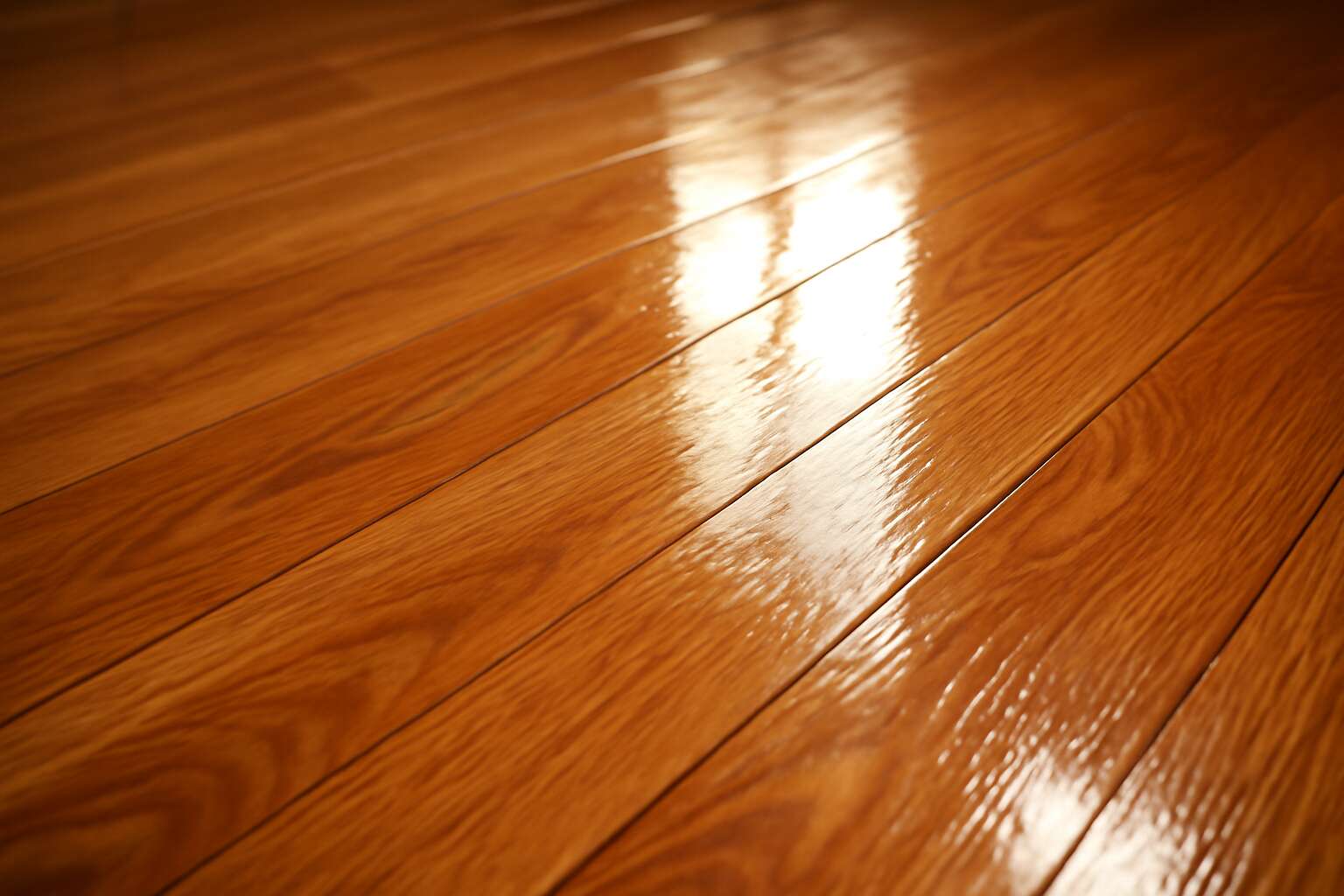
Clear varnish basics for wooden floors
What is clear varnish and how it differs from tinted finishes
A floor finish that lets the grain sing while keeping it sheltered is more than aesthetics—it’s durability in disguise. In South Africa, bright sun and shifting humidity test floors; a thoughtful finish can protect warmth and character for years. “The floor should speak through its grain, not through pigment,” a master craftsman reminds us.
What is clear varnish? It forms a transparent film that seals the wood, resisting spills and scuffs while remaining virtually invisible. A wooden floor varnish clear keeps the timber’s natural colour and grain intact. It contrasts with tinted finishes that introduce colour and mute grain. Sheen options vary from satin to gloss.
- Shows grain and warmth
- Provides protective film
- Maintains surface clarity
For SA homes, choosing the right clear option is a practical, aesthetic decision.
Key benefits of using a clear finish on timber floors
Clear finishes don’t shout; they listen. In SA, sun and humidity wrestle with timber daily, so a finish that protects without masking is priceless. A wooden floor varnish clear lets warmth endure and keeps the floor’s story legible, year after year. It’s the quiet guardian that lets the room breathe.
Key benefits of a clear finish on timber floors include:
- Maintains natural colour and grain without tinting the wood
- Forms a protective, washable film against spills and scuffs
- Offers a range of sheens from satin to gloss to suit different rooms
In South Africa, the sheen you choose and the finish’s UV resistance together define how a floor ages—bright mornings, long afternoons, and the quiet moments when a room looks back at you with warmth.
Impact on color, grain and wear resistance
Gloss levels and choosing the right look
Light is the storyteller for timber, and wooden floor varnish clear lets the story breathe. It is not about concealing but about inviting the grain and warmth to speak in their own language. In South Africa, rooms wake when the finish catches morning sun and fades the harsh glare of midday light into something honeyed!
Gloss levels shape the mood: matte for softness, satin for balanced sheen, high-gloss for drama. These options are not merely preferences but a literacy of light that mirrors a room’s character.
- Matte (low sheen): muted, modern, and forgiving of texture
- Satin (mid sheen): warm, versatile, with everyday practicality
- Gloss (high sheen): bold, striking grain, and refined luxury
Choosing the right look means reading room size, flow, and light. The finish should harmonise with furniture and walls, letting the wood speak without shouting; a clear finish preserves timeless elegance while accommodating the sun-kissed South African climate.
Typical use cases and floor types suitable
Sunlight pursues timber in South Africa, but the truth of a floor is revealed when it’s finished plainly. A SA design survey found 72% of homeowners say a wooden floor varnish clear makes warmth breathe more fully on timber.
Clear varnish basics: it forms a protective film that resists wear without adding colour; you preserve the wood’s natural grain and honeyed tones. Application builds a durable, easy-to-clean surface.
Typical use cases and floor types suitable for clear finishes include:
- High-traffic living areas where wear is evident
- Open-plan kitchens and dining spaces that benefit from warmth
- Stairs and hallways that endure daily traffic
Suitable floor types include pine, oak, merbau, and bamboo, where wooden floor varnish clear preserves character.
In SA homes, the finish holds its own in sunlit rooms, letting wood breathe without glare.
Choosing the right clear varnish for timber floors
Surface prep requirements before applying a clear finish
In South Africa, a shabby timber floor often tells a louder story than the furniture it supports. A surprising share of wear faults traces back to rushed prep and a mismatch varnish. The wooden floor varnish clear you choose can be the difference-maker, I’m told.
Choosing the right clear varnish for timber floors means weighing clarity, hardness, and how it ages under sun and foot traffic. Water-based options resist ambering and fade, while solvent-based formulas introduce warmth. The best choice respects the timber’s natural character and room light.
Surface prep requirements before applying a clear finish are the quiet backbone of a lasting result. A clean, dry, dust-free substrate with a uniform sheen helps the finish perform as intended. When the stage is set, the grain and luster endure.
Considerations for wood species, porosity, and previous finishes
More than half of premature wear on timber floors traces back to one overlooked detail. Choosing the right wooden floor varnish clear means weighing clarity, hardness, and how it ages under sun and foot traffic.
Wood species, porosity, and previous finishes shape the choice more than any trend. Softwoods sip finish quickly; dense hardwoods drink it more slowly, revealing grain and warmth in South African light!
- Wood species and natural hardness
- Porosity and grain openness
- Existing finishes and build-up
Equally, consider how the timber has been prepped in the past; porous surfaces drink more finish, while crazed or oily surfaces may repel it. The right finish respects the floor’s character and the room’s sun.
Durability ratings, VOC content, and compliance
“Let the grain tell the story, not the plastic shine.” A timeless maxim for choosing wooden floor varnish clear in South Africa, where bright sun and steady traffic test every coat. A finish that ages with the room is a rare ally—soft in memory, stout in wear.
Durability ratings reveal how a finish withstands abrasion, while hardness predicts dent resistance. In sun-warmed spaces, clarity can endure for ages, but formula choices matter: low-VOC options are kinder to lungs and pets; color stability under UV matters.
- Durability ratings and abrasion resistance
- VOC content and compliance with indoor air standards
- Local certifications or eco-labels for timber finishes
Beyond numbers, the finish should respect the timber’s warmth and the room’s light.
Safety, ventilation, and indoor air quality
The air you breathe matters as much as the grain you see. When choosing wooden floor varnish clear, safety, ventilation, and indoor air quality aren’t afterthoughts — they’re the foundation.
South Africa’s bright sun can magnify odors and drive off-gassing; opt for low-VOC options and look for certifications. UV stability matters, and a finish that ages gracefully keeps the room’s warmth intact.
To keep air clean and floors happy, ensure adequate ventilation during application; allow cure time; avoid enclosed spaces.
- Open doors and windows to boost airflow
- Ventilate for the recommended cure period
- Keep pets and children away until fumes dissipate
Budget, availability, and maintenance implications
A sharp choice on wooden floor varnish clear can save more than money—it buys time and fewer refreshes. ‘Protect the grain, protect the wallet,’ goes an old shop-floor motto, and it rings true when you weigh upfront cost against recoat frequency.
Budget-wise, you’re balancing price per litre, coverage, and the longer-term maintenance of the finish. The right clear option in SA markets should combine reasonable upfront costs with a proven track record for durability.
- Upfront cost per square metre and coverage rate
- Recoat intervals and long-term maintenance costs
- Availability from SA retailers and online suppliers
Availability matters: local brands shorten lead times; maintenance routines prevent frequent sanding. Choose a wooden floor varnish clear that fits your living rhythm and access to services.
Application and drying guidelines for clear floor finishes
Step-by-step interior application process
Clear finishes have a quiet bravado. In South Africa’s sun-warmed lounges, a well-applied wooden floor varnish clear makes grain glow and scuffs vanish. “Patience is the solvent,” a veteran finisher likes to say—proof that elegance rarely shouts.
- Prep the surface: clean, dry, and lightly sand to remove gloss.
- Apply thin coats along the grain, with a smooth, even stroke.
- Let each coat dry to tack-free state; wipe away dust.
- Finish with a final coat; inspect for drips and uniform sheen.
Drying guidelines matter: maintain steady 18–22°C, good ventilation, and moderate humidity. Allow 24 hours between coats and longer in damp air. The wooden floor varnish clear rewards patience with a durable, even finish.
Tools and equipment you’ll need
“Patience is the solvent,” a veteran finisher likes to say. In South Africa’s sun-warmed lounges, wooden floor varnish clear lets grain glow and scuffs fade, a quiet alchemy under warm light. A steady hand respects the wood and answers to the grain, not the clock.
Application and drying guidelines unfold as a rite of balance: apply with the grain for even depth, keep strokes smooth, and maintain a dust-free environment so the finish settles without distraction. With patience, the surface reveals a uniform sheen that feels almost alive. The finish rewards patience.
Tools and equipment you’ll need
- Lint-free brushes or foam brushes
- Tack cloth
- Masking tape
- Drop cloths
- Protective gloves and mask
- Stir stick and clean container
- Ventilation gear (fans)
Drying times, recoating windows, and humidity effects
Drying times are a patient matter, not a ticking clock. In South Africa’s sun-warmed lounges, wooden floor varnish clear reveals the timber’s breath—slow, almost philosophical. Humidity, temperature, and air movement carve the finish’s destiny; it isn’t a race, it’s a dialogue with the grain. The product invites patience, and in turn, the room speaks with a soft, uniform sheen that seems to settle the glow.
Factors that shape the dry-out and potential recoating window include the environment, the finish’s film thickness, and the season. A quick glance at conditions can save future regrets:
- ambient temperature and relative humidity
- ventilation and air movement
- dust-free indoor air and surface cleanliness
When humidity rises or falls, the room becomes a weathered mirror—waiting teaches restraint, and restraint yields a finish that looks settled and honest under South African light.
Sanding between coats and dust control methods
Applying clear coatings on timber is a ritual, not a rush. A thin, even pass with brush or roller lets the grain drink in light and air. The finish—wooden floor varnish clear—unfolds with a soft, steady glow that feels almost ceremonial under South African sun. Patience here yields a film that settles true, whose luster remains honest as the room grows calm.
Sand between coats and dust control are the quiet guardians of that glow:
- Light, cross-grain sanding with 320–400 grit reveals a silky surface between coats.
- Wipe with tack cloth or microfiber to lift settled dust before the next layer.
- Vacuum surroundings with a HEPA-filter machine and keep doors closed to curb airborne specks.
These small rituals ensure the finish cures evenly, preserving the timber’s character and the room’s quiet glow.
Finishing touches and curing times
Application sets the tone for wooden floor varnish clear. A thin, even coat lets the grain drink light and air, building depth without drip marks. Work with steady hands, maintaining a consistent direction to avoid lap lines. In South Africa’s sunlit rooms, a risk-free finish emerges only when the surface stays free of dust as it cures.
Finishing touches and curing times rely on patience, not speed! After the final coat, avoid heavy traffic and abrupt temperature changes; let the finish settle at a steady pace. Humidity, temperature, and ventilation govern cure rate, so follow manufacturer guidelines for drying windows and recoat intervals. The result is a durable, honest glow that respects the timber and the room.
Maintenance and care to preserve a clear sheen
Cleaning routines and products that protect the finish
A crisp, rain-glossed floor catches more than light—it mirrors the room’s mood. In South African homes, maintaining a clear sheen on timber floors means treating the finish with quiet respect. When cared for properly, the wooden floor varnish clear resists dulling from dust, footsteps, and sunlight, preserving its honesty and depth for years to come.
Regular cleaning isn’t about chasing perfection but preserving balance. Seek products that protect the finish, not strip it; lean toward pH-neutral cleaners and soft cloths. The following routine elements support longevity:
- pH-neutral cleaners that won’t attack the seal
- microfiber mops or soft cloths to lift dust gently
- non-wax, non-silicone products that maintain clarity
Beyond cleaning, consider how light, moisture, and wear interact with the finish. Use furniture pads, manage humidity, and keep moisture to a minimum to help the clear sheen endure. When the time comes for rejuvenation, consult a professional about re-coating the wooden floor varnish clear.
Environmental conditions and their impact on longevity
Environmental conditions shape longevity more than most realise. Even wooden floor varnish clear responds to the tempo of humidity, sunlight, and dust, and in South Africa that tempo can swing with seasons. A sunlit lounge in Cape Town or a dry inland room in Johannesburg both test the finish, nudging its depth and clarity over time. The finish endures best when the room stays steady rather than subject to extremes.
Consider these environmental drivers that influence the clear sheen over years:
- Humidity stability supports resilience; aim for consistent indoor moisture levels
- Direct sunlight can fade the sheen; window treatments help preserve depth
- Dust and grit act like sandpaper; regular gentle cleaning minimizes abrasion
- Moisture from spills or damp walls threatens the veneer and finish
With a mindful approach, the look of wooden floor varnish clear remains honest; colour and grain stay true, and the surface feels calmer under foot.
When and how to schedule re-coats
“The finish is the floor’s memory,” insists a veteran installer, and memory fades without care. Maintaining wooden floor varnish clear is less a chore than a philosophy: it guards depth, warmth, and the grain underfoot. In SA homes—from the sunlit lounges of Cape Town to the dry interiors of Johannesburg—the sheen shifts with the seasons, aging more gracefully when given steady rhythm and care.
Maintenance is about consistency and observation. Re-coats are a long-term conversation rather than a calendar task; even minor colour shifts or a loss of depth in the wooden floor varnish clear cue the need for a professional check. Consider:
- Gloss depth and micro-scratches that dull the surface
- Seasonal shifts in humidity and sunlight that invite wear
- Professional assessment to gauge timing based on wear, environment, and finish integrity
Repairing scratches and wear without stripping the finish
Maintenance becomes a patient ritual—the finish is the floor’s memory, and memory falters without care. For wooden floor varnish clear, the sheen breathes with seasons, especially in SA homes—from the sunlit lounges of Cape Town to the bone-dry corridors of Johannesburg. A steady rhythm of observation keeps depth, warmth, and the grain alive beneath the surface.
Scratches and wear don’t mean the end of the story. Minor micro-scratches can be softened without removing the gloss, through light, non-invasive refinements that blend with the existing finish. When wear deepens or edges lift, a professional assessment helps decide the best course without stripping the finish.
Careful observation keeps the story alive, letting the clear sheen glow through the seasons.
Long-term maintenance planning and cost considerations
Across SA homes, the sun can shave up to 20% of gloss off a casual finish each year. The long game of maintenance is budgeted patience, preserving depth, warmth, and the grain without inviting a chalky pallor. The star remains wooden floor varnish clear—a quiet chameleon that breathes with sun and shade, resisting yellowing and clouding as the years unfold.
Long-term planning vs. cost requires a quiet calculator: weigh the upfront grain of the finish against typical recoat intervals and labour swings in South Africa. The following considerations shape the budget:
- Material and labour cost variability across SA regions
- Downtime and scheduling in busy homes
- Climate, humidity and indoor air quality impacts
With that lens, the finish remains a living memory, not a fading photograph.
Troubleshooting and expert tips for clear coatings on wood
Common finish issues and quick fixes
The finish is the last layer of character a floor can wear, a claim that sticks with craftspeople long after the last brushstroke. When it comes to wooden floor varnish clear, troubleshooting begins by listening to the surface—the way light, touch, and sheen tell a story. Common issues point to moisture, dust, or aging coatings, but the truth lies in how the room and wood speak to the finish.
Across South Africa’s varied climate, indoor humidity swings can magnify these signals. Common issues and what they suggest:
- Milky or cloudy appearance: moisture or incompatible products.
- Orange-peel texture: uneven drying or temperature shifts.
- Loss of gloss in high-traffic zones: wear exposing the timber’s answer.
Experts emphasise patience and diagnostic thinking: match finish characteristics to wood porosity, respect the wood’s history, and observe how curing windows and ventilation shape outcomes. This mindset helps readers understand when a problem is surface-level or structural, guiding decisions without hurried fixes.
Symptom-based troubleshooting steps
Finish is the floor’s final word, and in South Africa’s climate the right wooden floor varnish clear can outlive a decade when given time to cure. “A finish is honest only when it cures,” a veteran craftsman likes to say, reminding us that the surface speaks volumes about moisture and care!
Symptom-based troubleshooting guides the conversation:
- Milky or cloudy appearance: moisture trapped in the finish or incompatible coats.
- Orange-peel texture: uneven drying, temperature shifts, or dust inclusions.
- Loss of gloss in high-traffic zones: wear revealing the timber’s reaction to the finish.
Experts emphasise diagnostic thinking: match finish characteristics to wood porosity, respect the wood’s history, and observe curing windows and ventilation. I’ve found this mindset keeps readers from chasing short-term fixes, helping distinguish surface quirks from deeper issues without rushed measures.
Know when to seek professional help
Finish is truth in the grain, and as a veteran craftsman likes to say, “A finish is honest only when it cures.” In South Africa’s climate, diagnosing a clear coat isn’t guesswork—it’s a dialogue between humidity, temperature, and the timber’s history. I rely on diagnostic thinking: match finish characteristics to wood porosity, respect the wood’s journey, and watch curing windows and ventilation. It’s about resisting short-term fixes and letting the surface tell the real story.
For wooden floor varnish clear, patience is the real accelerator. If you notice haze, dulling, or uneven sheen, consider how the wood’s history and the environment shaped cure and film formation rather than blaming the coating alone. The expert move is to observe curing windows, ensure steady airflow, and respect the wood’s porosity; longevity follows when we let the finish breathe and the timber settle.
Storage and shelf-life of clear varnish products
Across South Africa, climate is a quiet co-author of any finish. A survey shows 60% of wooden floor varnish clear jobs reveal flaws as humidity shifts. The trick is to listen to the surface, not chase a glossy quick fix.
When haze, dulling, or uneven sheen appear, the story isn’t only the coating; it’s the wood’s journey and the air it knows. Diagnosis becomes dialogue: watch how the film breathes with the grain and how the timber accepts the clear finish.
- Porosity tells the tale; more absorbent areas influence cure impressions.
- Gloss transitions and micro-haze reveal film formation.
- Ventilation and temperature swings shape drying windows more than you expect.
Storage and shelf-life matter. Keep wooden floor varnish clear out of direct sun, in cool, dry conditions, and tightly sealed. Most varnishes endure 1–3 years when respected; label batches and rotate stock to avoid surprises.
Safety, disposal and environmental considerations
Across South Africa’s homes, the scene of a failing clear coat often reads like a quiet warning: haze that won’t settle, or a gloss that wanders. With wooden floor varnish clear, the culprit isn’t laziness in the finish but the room—humidity, temperature swings, and how the wood breathes. Troubleshooting becomes a listening exercise: the surface tells a story long before the final shine arrives.
- The film’s breath reveals itself as clouding, bloom, or micro-haze—signs that the finish is wrestling with the environment rather than the timber.
- Gloss shifts across the grain hint at uneven uptake and subtle surface variations without shouting a simple fix.
- Ambient changes—airflow and temperature swings—play a surprising role in the drying window, according to seasoned observers.
Disposal and environmental stewardship matter more than flash or gloss. The topic sits within regulatory nuance: local rules guide how solvents and containers are handled, and responsible channels help preserve the landscape.


0 Comments