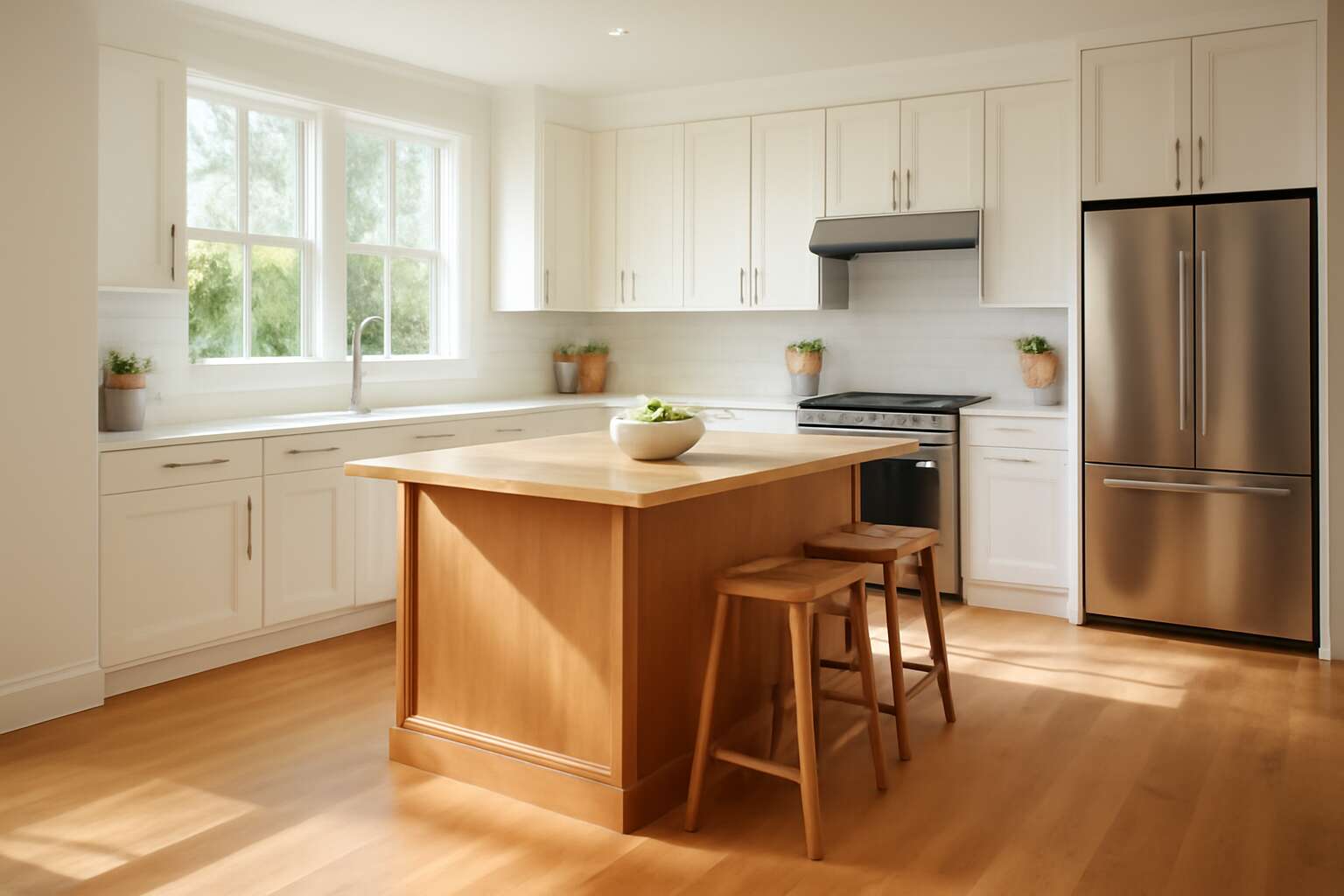
Choosing the right wooden floor for a wooden kitchen
Wood species for kitchen durability and aesthetics
In a wooden kitchen, the wooden floor isn’t just scenery; it’s a workhorse that stages every spill and canapé. A well-chosen floor ages gracefully, while your cabinets stay in fashion. As one designer quips, “If the floor can survive a curry night, it can survive anything.”
For durability and aesthetics, pick timber that suits SA kitchens and climate. Merbau and Spotted Gum bring warmth and resilience, while Oak offers timeless strength. Maple keeps light, contemporary appeal. In coastal zones, engineered flooring reduces movement and maintenance, ensuring a long-lasting, beautiful backdrop to family life.
- Choose engineered over solid when moisture or subfloor movement is a concern.
- Finish with a satin or matte layer for easy cleaning and a warm glow.
- Consider stains that hide crumbs and fingerprints in busy family kitchens.
Wood types best suited for moisture-prone environments
Moisture issues top kitchen-floor concerns in SA homes. In a single spill, timber must weather far more than a stylish moment. As a designer puts it, “the floor writes the room’s weather.” Choosing the right wooden floor for a wooden kitchen means balancing beauty with resilience!
Engineered boards suit moisture-prone environments; they resist warping and movement better than solid planks. In my projects along the coast, engineered boards have saved many a room from warping. In SA coastal zones, Merbau and Spotted Gum offer warmth and stability; Oak, with the right core, can be durable too.
- Engineered construction for stability
- Low-porosity finishes that repel spills
- Moisture-aware profiles to limit movement
Every space deserves a backing that ages with grace; the right floor becomes a quiet, steadfast partner in family life.
Color options and style coordination with cabinetry
Color sets the room’s temperament faster than any sofa, and in a SA wooden kitchen it can dance with daylight all year. The wooden floor should complement, not compete with, cabinetry and stone. As a designer whispers, “color is the doorway to feeling.” A warm amber tone brightens pale cabinets; a cool grey-washed finish steadies busy textures into quiet elegance.
Color options that coordinate beautifully with cabinetry include:
- Warm caramel with light oak or cream cabinetry for welcoming warmth
- Grey-washed or stone tones that pair with charcoal or white finishes
- Rich chocolate or espresso hues to anchor dark timber and brass hardware
In a wooden kitchen, the floor acts as a living backdrop that ages with grace.
Finish choices and water resistance for kitchens
In a South African kitchen, I watch the wooden floor respond to the sun as if it were dialogue between grain and daylight. The right finish becomes the room’s heartbeat: a matte hard-wax oil preserves warmth and character, while a tough, water-repellent polyurethane stands up to the daily tide of spills and pots. The wooden floor in a wooden kitchen should resist moisture without dulling its beauty and invite refreshment rather than disruption during upkeep.
Finish choices and water resistance for kitchens that endure busy lives can be guided by a concise palette:
- Hard-wax oil for a natural look with durable protection
- Water-based polyurethane for a clear, non-yellowing shine
- Hybrid finishes that balance moisture resistance with easier maintenance
Whichever path you choose, the wooden floor ages with grace, a patient partner to cabinetry and stone, turning every step into a quiet refrain.
Budget considerations and value
The wooden floor is the stage where grain meets daylight, and in a South African kitchen it rarely stays quiet. “A floor ages with you,” a designer quips, reminding us that this choice is a long-term love story, not a seasonal fling.
Choosing the right wooden floor for a wooden kitchen is about balancing budget with lasting charm. Engineered boards often offer moisture stability and quicker installation, while solid boards reward with richer character and easier refinishing over time. Local suppliers can tilt value in your favour, turning spend into warmth that endures.
Budget levers include:
- Upfront cost and installation choices
- Maintenance and refinishing frequency
- Lifespan and resale value
When sunlight hits the grain in your wooden kitchen, the result is more than aesthetics—it’s a durable, warm partner that ages gracefully and keeps pace with busy kitchens and family life.
Eco-friendly and sustainable options
In the bustle of a South African kitchen, a wooden floor isn’t just a surface—it’s a statement I want in my home. Eco-friendly choices cut through waste and bring a grounded warmth that ages with you, turning daily meals into a ritual rather than a routine.
When planning a wooden kitchen, sustainability waltzes with style. The story favors responsibly harvested stock and low-emission finishes that keep air clean and footprints light, so the space feels alive!
- Reclaimed timber perishing into a patina that tells your story
- FSC-certified sources and PEFC certification for traceability
- Low-VOC, water-based finishes that protect indoor air quality
- Local sourcing to reduce transport emissions
In the end, your choice feels like daylight on grain—the kind of durable warmth that keeps up with busy kitchens.
Installation and layout considerations for wooden floor in a kitchen
Subfloor preparation and moisture assessment
Across South Africa’s bustling kitchens, moisture is the silent equalizer of beauty and utility. A recent industry survey found that 60% of kitchen floor failures trace to subfloor moisture. That reality shapes every choice for a wooden floor and wooden kitchen—a blend built for daily life, and I watch it play out in homes from Cape Town to Polokwane.
Installation starts with Subfloor preparation and moisture assessment—the quiet stage that determines long-term stability. Plan the layout to follow traffic patterns, align with cabinetry, and minimize awkward transitions around doors and islands, so every step feels balanced and calm underfoot.
- Subfloor integrity should be dry, clean, and sufficiently flat to reduce movement.
- Acclimation of boards in the space helps balance seasonal humidity swings.
- Expansion gaps at edges and thresholds accommodate natural wood movement.
When these elements are considered early, the space feels cohesive—a harmony between timber, room, and daily life.
Moisture barriers, waterproofing, and sealing
Moisture is the quiet gatekeeper of a kitchen’s beauty and utility, especially in South Africa. In the realm of wooden floor and wooden kitchen, layout decisions anchor durability—traffic patterns, cabinet alignments, and door transitions all converge to feel balanced underfoot.
- Moisture barriers beneath the subfloor or underlayment block vapor migration.
- Waterproofing membranes at splash zones and around plumbing defend against spills and steam.
- Premium sealants at edges, thresholds, and cabinetry joints seal the wood from moisture ingress.
Thoughtful installation also means planning natural movement and clear lines—avoid awkward cross-joints and ensure transitions align with cabinetry to keep the rhythm calm. The result is a cohesive space that honors timber, room, and daily life.
Installation methods suitable for kitchens
Moisture whispers govern the kitchen’s soul, and South Africa’s climate tests timber’s patience. The wooden floor and wooden kitchen become a living, listening document—layout decisions anchor durability as foot traffic, cabinet alignments, and door transitions converge to feel balanced underfoot when the room exhales at dusk.
Three installation philosophies dominate moisture-prone spaces: floating, glue-down, and nail-down with careful subfloor assessment. The cadence differs: floating invites natural movement, glue-down offers a sleek, uninterrupted plane, and nailed or click-lock boards honor conventional craft near cabinetry.
- Allow for subtle expansion gaps so transitions stay seamless
- Coordinate plank direction with cabinet runs to preserve rhythm
- Favor finishes and fastenings designed to resist spills and steam
Beyond technique, layout remains the room’s steady heartbeat. Clear traffic patterns, measured transitions, and door thresholds that align with cabinetry keep the timber calm and the kitchen feeling both ancient and alive!
Transition lines and thresholds to other rooms
“The floor is the room’s memory,” a craftsman likes to say. In this kitchen, the wooden floor and wooden kitchen speak through every footstep—grain catching dusk, boards settling with a quiet sigh after long days. Transitions to other rooms become conversations: the threshold anchors light and traffic, while the layout guides cabinet lines and doorways into a balanced cadence underfoot as the room exhales at dusk!
To keep transitions seamless, consider these lines.
- Plan transition lines so planks run in a single orientation across entryways
- Size and align door thresholds to cabinet runs for visual continuity
- Use coordinated step-down thresholds that tolerate humidity swings
Across South Africa’s diverse homes, well-judged thresholds connect the kitchen to living spaces—sash-wise, not steps. By keeping transitions low-profile and moisture-conscious, the wooden floor and wooden kitchen can breathe together, telling a single, storied tale from room to room.
DIY vs professional installation pros and cons
The kitchen floor holds up the day: foot traffic, spills, and the quiet echo of evenings. “The floor is the room’s memory,” a craftsman likes to say, and in South Africa a wooden floor and wooden kitchen tell that story together: grain catching dusk, boards settling with a soft sigh after long days. Orientation and layout start with the boards, guiding light and traffic in a steady rhythm.
DIY installation can save money and fit a flexible timetable, but it demands skill and the right tools. Here’s a quick snapshot of the pros and cons:
- Pros: cost savings, schedule control
- Cons: risk of misalignment, uneven finish
Professional installation offers consistency, a cleaner finish, and reliable transitions into living spaces, with warranty coverage that keeps the wooden floor and wooden kitchen looking timeless as years pass.
Common installation mistakes to avoid
Footfalls whisper through a kitchen, but a floor keeps the day’s memory. In South Africa, the wooden floor and wooden kitchen breathe together, grain catching dusk and light. A craftsman’s refrain lingers: plan the room’s rhythm like a living thread.
Layout begins with sightlines and doors—boards guiding light, traffic moving softly, corners meeting with quiet grace. I watch how patterns align with entryways and how transitions into living spaces feel beneath your feet. Leave gentle expansion gaps and allow for natural movement, so joints stay harmonious through the seasons.
Common installation mistakes to avoid.
- Overlooking expansion gaps and transitions
- Disregarding room moisture and RH drift
- Misaligned panels at doorways and thresholds
- Ignoring pattern continuity across angles
By avoiding these missteps, the wooden floor and wooden kitchen answer a lifetime of use with quiet elegance.
Matching wooden floors with wooden kitchen cabinetry and countertops
Coordinating wood species and finish tones
‘A kitchen is where the heart talks in wood,’ designer Lindiwe Maseko reminds us. Matching a wooden floor with wooden kitchen cabinetry and countertops creates a single, honest narrative from floor to surface. The trick is to make the wooden floor and wooden kitchen speak the same language, weaving grain direction, warmth, and sheen into one harmonious chorus.
- Match undertones: pick cabinetry finishes that share the floor’s warmth or coolness.
- Align grain direction and movement across surfaces to create flow.
- Choose countertops with a complementary patina to avoid busy contrast.
Coordinating wood species and finish tones is less about matching colors and more about balancing warmth and contrast. In South Africa, smart pairing makes kitchens feel larger and more inviting, especially when light plays across timber.
Grain patterns, texture, and plank widths
In SA kitchens, coordinated timber details can make the space feel up to 20% larger and infinitely more hospitable than its chrome cousin. I’ve learned that when grain moves from floor to surface with intention, the room learns a patient, gracious rhythm. A well-told tale with a wooden floor and wooden kitchen speaks the same language—warmth, subtle shimmer, and a grain that says ‘we belong here.’
- Grain direction aligns across surfaces to create uninterrupted flow.
- Texture and finish preserve warmth, steering clear of busy reflections.
- Plank widths follow a consistent rhythm, guiding the eye gently through the room.
The point, softly stated, is to listen to timber’s quiet speech and let the room speak.
Finishes, sheen levels, and protective coatings
A recent SA design study found rooms with timber features feel up to 20% warmer and more inviting. Light, grain, and finish share a patient conversation when timber speaks. Matching wooden floor and wooden kitchen creates a seamless rhythm that guides the eye and comforts the soul.
To achieve cohesion, pick finishes, sheen levels, and protective coatings that echo across surfaces. The harmony of a wooden floor and wooden kitchen starts with a finish that whispers—matte for depth, satin for balance, or a durable semi-gloss where humidity is high.
Coatings should offer UV protection, water resistance, and easy maintenance without a glossy overreach. A well-chosen layer lets grain breathe and keeps warmth traveling from floor to cabinet and countertop as one story.
Edge profiles and layout considerations for flow
In South African homes, timber speaks a language that resonates in room tone. A SA design study found rooms with timber features feel up to 20% warmer and more inviting. Matching wooden floor and wooden kitchen cabinetry and countertops creates a quiet, cohesive rhythm that guides the eye and steadies the soul.
Edge profiles and layout considerations flow with intention, not compromise.
- Continuous edge lines between floor and cabinetry create a seamless boundary
- Grain direction should read across surfaces to reinforce movement
- Thresholds and joints minimize breaks, supporting natural circulation
Finish choice and proportion matter; warmth travels from floor to countertop as one story, with subtle variations in tone maintaining interest without cacophony.
Testing color and finish samples before committing
South African interiors reveal timber’s magic: rooms can feel up to 20% warmer and more inviting. When you pair a wooden floor and wooden kitchen, you cultivate a quiet rhythm that guides the eye and steadies the mood—elegance without shouting.
Testing color and finish samples before committing saves heartbreak and hallway sighs. Bring boards into varied light, compare across morning sun and late afternoon, and watch how tone shifts with cabinetry and countertop.
- Natural daylight vs. artificial lighting
- Grain direction across surfaces to reinforce flow
- Finish sheen compatibility with cabinetry and countertops
Use a small, tactile set of swatches to avoid late-night regrets. A confident harmony emerges when you honor grain direction, sheen, and the space’s natural temperament.
Integrating hardware and appliances for a cohesive look
In SA homes, the trick to a calm kitchen is aligning wooden floor and wooden kitchen cabinetry and countertops so the eye travels naturally. Matching tones across species and finishes creates a quiet rhythm that anchors cooking, dining, and daily chatter.
Hardware and appliances must harmonize. Pick handles and pulls that reflect the wood’s warmth or a deliberate contrast, and ensure stainless, brass, or black finishes don’t clash with cabinetry or counters.
- Hardware finishes echo the wood tone
- Appliances colors blend with cabinetry for a cohesive silhouette
- Joint detailing preserves smooth transitions
When this synergy speaks in one voice, the space feels bigger, friendlier, and undeniably finished.
Maintenance, care, and longevity of wooden floors in kitchens
Daily cleaning routines for kitchen woods
In South Africa’s busy kitchens, a well-maintained wooden floor can last two to three decades with proper care. The trick is simple: guard against moisture, grit, and spills while keeping the surface warm and refined. We know a wooden floor and wooden kitchen pairing thrives when routine cleaning is mindful, not aggressive.
- Daily sweep or light vacuum to remove grit that abrades the finish.
- Wipe with a damp microfiber mop; never leave pools of water on planks.
- Use a pH-neutral cleaner sparingly and dry the surface after cleaning.
For longevity, control humidity, place mats at entrances, and recoat high-traffic areas as needed. Quick spill response protects joints and preserves the wood’s character, ensuring your kitchen remains warm for generations. Great care pays off!
Spill management, drying, and preventative care
In South Africa, a well-kept wooden floor in a kitchen can last two to three decades. The wooden kitchen thrives when moisture, grit, and spills are kept in check, and the surface stays warm and refined. Maintenance, care, and longevity hinge on mindful handling rather than aggressive scrubbing.
- Prompt spill response to protect joints and finish
- Avoid excess moisture; dry with a soft cloth after cleaning
- Choose a pH-neutral cleaner and use it sparingly
Beyond daily care, steady humidity, welcoming mats at entry points, and selective recoats in high-traffic zones help preserve the character of both the wooden floor and the wooden kitchen for generations.
Scratch prevention and protective measures
Maintenance in a kitchen is a quiet ritual that can extend decades. A well-kept wooden floor anchors a wooden kitchen with warmth and refinement, aging gracefully under daily use. In South Africa’s climate, where humidity and dust shift with seasons, gentle cleaning, mindful foot traffic, and steady humidity support longevity, letting the wood tell its story without aggressive scrubbing or harsh chemicals. Avoid excess moisture by blotting spills and drying with a soft cloth.
Scratch prevention and protective measures keep the surface pristine.
- Place felt pads under chairs, stools, and heavy appliances
- Fit welcome mats at entrances to trap grit and moisture
- Use a pH-neutral cleaner sparingly to avoid buildup
With these safeguards, the character of the floors and the heart of the kitchen persists for generations.
Recoating, refinishing timelines, and cost expectations
In South Africa’s baking sun and shifting dust, a well-kept wooden floor in a wooden kitchen becomes a quiet witness to daily life, aging with grace rather than fighting time. Maintenance is a ritual that preserves warmth and refinement for decades. With steady humidity and mindful care, the wood tells its story softly, resisting the urge to shout for attention.
- Recoating timelines: 5–10 years for busy kitchens, longer in low-traffic areas.
- Costs: depend on finish, square meters, and labour; expect an investment that pays over time.
- Refinishing options: site-finished or factory-applied coatings, selected for durability and aesthetics.
With thoughtful care, this pairing endures, maintaining both function and beauty in a bustling kitchen.
Repair vs replacement decision factors
Every home keeps a ledger of moments, and in a wooden kitchen it’s written in grain. A well-kept wooden floor ages with grace under sun and daily life. Daily care becomes ritual: sweep to banish dust, wipe with a barely damp cloth, and shield corners with felt pads. In South Africa’s climate, steady humidity and timely seal checks protect the joints!
When repair vs replacement becomes a choice, consider these factors:
- Extent of damage and beauty goals
- Structural integrity and subfloor moisture
- Replacement cost vs refinishing scope
- Aesthetic alignment with cabinetry and tiles
With patient care, the pairing stays resilient, telling a story of home rather than hurry. Errors become lessons, not losses; with proper refinishes and protective measures, this pairing remains a high-value, timeless feature.
Seasonal humidity and wood movement management
Maintenance in a sun-warmed SA kitchen is a listening ritual, not a routine. A well-kept wooden floor honors every footstep, aging with quiet grace as the seasons tilt. The wooden kitchen becomes a living record of daily life, yielding softly to seasonal shifts.
Seasonal humidity and wood movement are choreographers, guiding the grain’s quiet dance.
- Seasonal humidity and wood movement remind the grain to breathe rather than resist.
- Climate consistency supports the finish and joints over time.
- Regular inspections of joints and protective coatings help maintain longevity.
Across a South African home, this pairing remains a high-value investment, telling a slower, sturdier story than haste allows.
Done right, this pairing stands as a durable, timeless backdrop to family life, a story told in grain rather than headlines.


0 Comments