If you’re looking for a timeless, classic and durable floor, wood floors are a great choice. They are easy to maintain, add value to your home, and can last a lifetime with regular care.
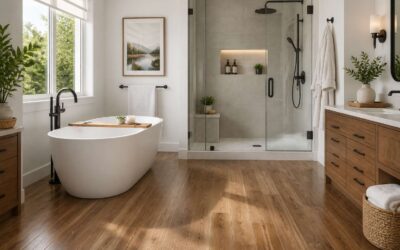
Solid wooden floors come in a wide variety of styles and can be installed in many areas of your home, although they are not ideal for basements (below grade) or over radiant or concrete floors. Engineered wood is a better option for these locations, since it has more inherent stability from its layered construction.
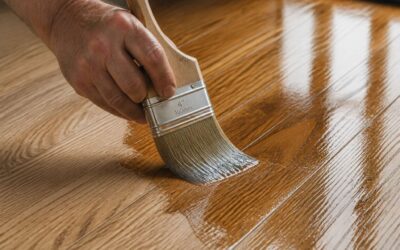
Both solid and engineered wood are available in a wide variety of grades, finishes, widths, and lengths to suit your personal style and taste. They are also both generally less expensive than other types of flooring. If you’re considering upgrading your floors with solid wood, consider having it sanded and refinished once or twice over the years to maintain their beauty and durability.
Whether you choose solid or engineered wood, you’ll be choosing real hardwood floors that add beauty and elegance to your space. Both are eco-friendly options if sourced and harvested responsibly, adding beauty to your home for generations.
Solid hardwoods are crafted from planks of wood that have been cut, shaped, and kiln dried to achieve the desired look. They are usually made from oak, maple or hickory, and can be finished to your specifications with color, stain, or lacquer. They can be sanded and refinished as needed to maintain their durability and beauty, and are generally considered to be the best in terms of quality and longevity.
While these floors are quite durable and look beautiful, they can be damaged by moisture or extreme temperature changes. They are also not suitable for use under appliances, as they may warp due to the moisture from dishwashers, refrigerators, and other machinery. Because of this, solid wood is typically recommended for above-ground rooms such as living and dining rooms, kitchens, bedrooms, and hallways. Half baths and mudrooms are good choices as well, if they are kept clean to minimize spills and humidity.
Solid wood is easy to maintain with regular sweeping and occasional damp mopping. The only downside is that it doesn’t work well in humid locations, where it can swell and warp. Choosing engineered hardwood in these situations is a smarter move because of its layered construction, which makes it more stable and resistant to moisture than solid wood. This is why it’s a good idea to talk to your wood flooring pros and explore all your options before making your final selection. They can help you find the right wood floor for your home, as well as manage your project from product selection to installation.

0 Comments