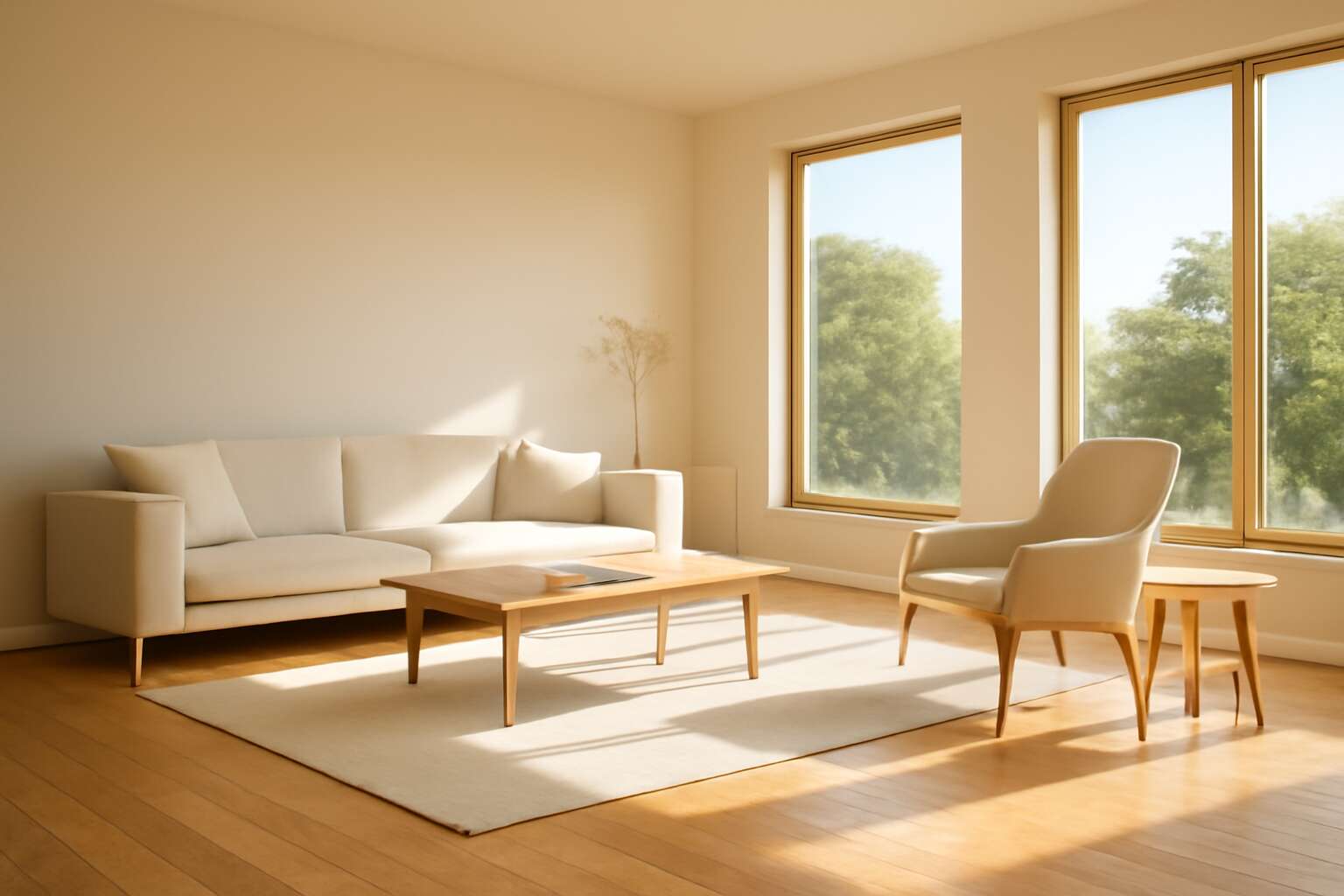
Design considerations for wooden flooring in a room
Choosing wood species for room ambience
Turn on the charm with a timber classic—the room wakes up the moment the planks arrive. The wooden floor for room anchors the design story, adding warmth, texture, and a sense of space that carpets rarely match, particularly in South Africa’s sunlit homes.
Consider how grain, color, and sheening interact with lighting and furniture. For room ambience, species choice matters—like the stately grain of oak for a formal tone, or the honeyed warmth of acacia for sunlit corners. This is where soul meets structure.
- Grain pattern and board width
- Hardness and durability for traffic
- Colour and finish that harmonises with furnishings
Choosing species is less a taxonomy and more a mood memo. In climate-aware South Africa, we balance resilience with recyclability; u-eco finishes can echo natural light, while matte sheens hide fingerprints. I relish how, in the right room, a timber floor becomes a conversation starter rather than background hum.
Color and finish options for rooms
Sunlight in a South African room makes timber feel alive. A wooden floor for room does more than cover the floor—it speaks. Color and finish catch light differently through the day, shifting mood from bright mornings to calm evenings. Oak, acacia, and walnut weave a story with furniture and memories!
- Light, matte finishes to brighten spaces without glare
- Satin or low-sheen options that age gracefully with fingerprints
- Eco-friendly, low-VOC finishes suited to climate
Color stays tuned to lighting, not a solo act. I watch walls and textiles mingle with grain, and a finish—matte for hush, satin for warmth—let the room breathe. The result is warmth that feels timeless.
Grain patterns and texture in room design
Grain is the timber’s handwriting, a map of time pressed into planks. In a room, its rhythm guides mood and movement. Straight grain speaks quiet authority; cathedral and curling figures hint at wandering stories, letting the wooden floor for room tell its own voice.
Texture answers light in subtler ways. A hand-scraped face catches sunrise with rugged warmth; a wire-brushed surface softens afternoon shadows.
- Straight grain for calm rooms
- Cathedral grain for architectural drama
- Wavy grain for dynamic spaces
Together they choreograph the room’s vitality, and I watch the space breathe—in South Africa, where the sun travels a brisk arc that makes grain reveal itself with dawn and late afternoon—inviting footprints, cushions, and art to interact with the floor as a patient, listening partner!
Residential vs. commercial room applications
Flooring writes the room’s mood before furniture even lands. In South Africa, as one designer puts it, “the floor writes the room’s mood.” A wooden floor for room must handle sun, heat, and foot traffic with quiet resilience. It blends warmth with practicality, shaping moves and moods as light shifts across the planks.
- Durability and wear layer for high-traffic areas
- Slip resistance and safety in public or family zones
- Moisture tolerance and subfloor compatibility
- Maintenance cadence and finish longevity
Residential spaces emphasize comfort and acoustics; commercial spaces demand longevity, easy maintenance, and safety. The floor’s role is to anchor ambience, align with space planning, and survive daily use—while still feeling part of the room’s narrative.
In South Africa, sun and climate swing across coast and highveld, shaping how a wooden floor for room breathes through the day. The choice ties into design, light, and furniture layout, letting the space tell its own quiet story.
Practical benefits of wooden floors in a room
Durability and lifespan in high-traffic rooms
In South Africa, a wooden floor for room isn’t merely a surface; it’s an investment in character. Hardwood floors can lift resale value by up to 5%, depending on finish.
Practical benefits abound: warmth underfoot, natural insulation, and surfaces that shed dust. In high-traffic rooms, dense woods resist scuffs, and patina can be refinished to preserve beauty longer.
- Durability under daily use with refinishing for longevity
- Allergen-friendly surfaces easy to clean
- Timeless aesthetics that age with patina
Thus, this flooring choice weaves practicality with enduring design.
Thermal comfort and acoustics
In South Africa’s climate mosaic, warmth underfoot is a design principle. “Warmth underfoot isn’t a luxury; it’s essential,” an experienced installer says, reminding us floors carry mood as much as function. A wooden floor for room sets that mood the moment you enter.
Thermal comfort emerges from the floor’s natural mass, absorbing and releasing heat with the day’s rhythms. On mornings that start with a chill, a dense timber feels reassuringly steady. Acoustics follow: the subtle yield of wood dampens footsteps and softens echoes, improving conversations below and above.
- Cozy warmth underfoot that reduces heating needs
- Quiet footsteps and calmer room acoustics
For a wooden floor in a room, the finish and subfloor matter as much as the boards themselves. A well-sealed surface resists dust and allergens, supporting easy cleaning and a calmer living space—all crucial in busy South African homes where lifestyle moves fast.
Maintenance and cleaning routines
In a room, a wooden floor for room is a quiet anchor. “Warmth underfoot isn’t a luxury; it’s essential,” an experienced installer says. A well-sealed surface makes daily cleaning easier and keeps dust and allergens down—vital in fast-paced South African homes.
I keep the maintenance philosophy simple: the finish and subfloor do the heavy lifting, protecting the timber and keeping your space calm. A smooth, sealed surface resists marks and makes spills less detrimental to the room’s mood.
- Cleaner airflow and allergen control
- Finish longevity and easy care
- Dust and dirt stay on the surface, not in the grain
- Consistent appearance through seasons
Installation and layout ideas for wooden floors in a room
Subfloor preparation and underlayment
Every room deserves a heartbeat, and a wooden floor for room supplies it with a quiet thunder that travels from hearth to hallway. In South Africa’s sunlit mornings and rain-soft evenings, the base must be true—dry, flat, and capable of carrying color and light without complaint.
Subfloor preparation and underlayment set the stage for lasting beauty. A subfloor should be dry, clean, and sound; any irregularity can echo through the boards. Opt for a moisture barrier where concrete exists and choose underlayment that harmonizes warmth with sound and insulation.
Consider these pillars as you plan the layout and base for your finish:
- Moisture stability
- Flat, level surface
- Balanced underlayment
Nailing, clicking, and glue-down methods
Light spills across SA mornings; I hear a room’s heartbeat in the quiet cadence of planks. For the wooden floor for room, layout should respect sun, sightlines, and scale. Nailing delivers a grounded, timeless cadence on solid subfloors. Click-lock invites a modern, whisper-quiet glide, ideal for DIY installs. Glue-down anchors sustenance to concrete or timber, yielding a dense, durable surface that ages gracefully.
Consider these layout ideas to honor the room’s flow.
- Position boards to run with the room’s natural light, following the longest wall for a spacious, uninterrupted feel
- Stagger end joints by at least 300 mm to craft a robust, organic pattern that hides seams and travels with the eye
- Choose a method that suits your subfloor: nail-down on wooden joists, click-lock for quick floating installation, or glue-down for a seamless, dense finish
Professional installation vs. DIY tips
A living floor can change a space in a heartbeat. In South Africa, morning light spills across the grain, and the floor becomes the room’s pulse—guiding mood, sightlines, and scale with quiet authority.
Layout ideas should honor flow: run boards with the room’s light, along the longest wall to feel expansive. Let joints drift in an organic rhythm, avoiding a rigid grid that fights the eye and the eye fights you back.
Professional installation vs. DIY hinges on timing, budget, and confidence. Pros deliver precision and a warranty; DIY saves money and satisfies a hands-on approach. In challenging spaces, a pro’s eye keeps the wooden floor for room aligned with light and space.
- Professional install: precision, predictable results, warranty protection
- DIY approach: lower upfront cost, flexible scheduling, personal satisfaction
- For complex layouts, irregular subfloors, or radiant heat, a professional helps protect the look
Layout patterns: herringbone, chevron, and straightforward planks
A designer whispered, “The floor is the room’s heartbeat—and it’s listening to the light.” In South Africa, morning sun spills across the grain, turning the wooden floor for room into a living pulse that guides mood, sightlines, and scale with quiet authority.
Installation and layout ideas braid together. Run boards with the room’s light along the longest wall to feel expansive; let joints drift in an organic rhythm, avoiding a rigid grid that fights the eye. Pattern choices shape mood and flow.
- Herringbone
- Chevron
- Straightforward planks
That living rhythm stays keen as daylight shifts across the grain, making the floor a shadow of the room’s personality.
Maintaining and protecting wooden floors in a room
Cleaning routines and product choices
As one master carpenter puts it, “a floor carries the memory of a room.” For a wooden floor for room in South Africa, maintaining its warmth means balance—dust-free, dampness controlled, and shine kept without harsh products.
Cleaning routines and product choices should be gentle and consistent. Use a pH-neutral cleaner and a microfiber mop to lift dust without scratching, and place mats at entrances to trap grit. Keep humidity steady to protect joints and finish. For furniture, add felt pads; avoid waxes that leave buildup on the surface.
- Dust with a microfiber cloth or broom
- Choose pH-neutral cleaners over solvent-based products
- Protect with felt pads and door mats
Preventing scratches and wear from furniture
In a sun-warmed South African room, the wooden floor for room carries the memory of each step and conversation. I have watched it glow with softly preserved light, a testament to craft and time, enduring the rhythms of daily living.
Its beauty rests not on varnish alone but on the way furniture and flow coexist without harsh interruption. The floor remembers where sofas settle and where movement lingers, a quiet chronicle of spatial harmony.
To keep that memory unblemished, the room should breathe with balanced humidity and gentle use; it becomes a beacon of warmth, a canvas for furniture and family to meet and depart.
Seasonal care and humidity management
In South Africa’s climate, indoor humidity drifts between 30% and 60% across the year. The wooden floor for room remembers every footstep and conversation, absorbing light and time as if keeping a diary. In sun-warmed corners it glows with quiet warmth, a testament to craft enduring daily life.
Seasonal care and humidity management aren’t about rigidity; they’re about letting timber breathe with the room. The wooden floor for room expands with summer heat and contracts when nights grow cool, a quiet choreography that writes its own history.
- Seasonal cues reveal themselves in subtle shifts of tone
- Humidity gently influences sheen and depth
- Furniture positioning becomes part of the floor’s choreography
Let the room breathe with the year, and this timber will carry the warmth of South Africa through every season, a quiet beacon in a busy home.
Repairing minor damages and refinishing options
“A floor is a diary you walk on,” a craftsman once whispered. In South Africa, the wooden floor for room remembers light and laughter, aging with the day and the memory of a hundred footsteps.
Maintaining and protecting is a quiet discipline: gentle cleaning that respects grain, pads under chairs, and rugs in high-traffic zones. Let the air move—avoid sealing in dampness, and guard against sun bloom by upholding balanced humidity and mindful furniture placement.
When minor marks appear, repair becomes a conversation between patience and memory. Refinishing options range from subtle rejuvenations to more thorough renewals, each choice writing a fresh chapter on the same enduring surface.
- Light scratches and scuffs that dull the sheen soften with proper care and timely recoating.
- Water rings or heat impressions reveal themselves as faint marks that may be addressed in a future refinishing cycle.
- Refinishing options span from hard-wearing polyurethane to natural oils, each contributing a different depth and warmth to the timber.
Let the room breathe with the year, and the timber will cradle the warmth of South Africa with quiet resilience, a timeless beacon in a busy home.



0 Comments