
Floor Refinishing Workflow Outline
Pre-Sanding Preparation
The magic of a flawless finish begins before the first pass of the sander. A surprising 70% of finish quality hinges on pre-sanding prep, so it pays to set the stage properly for wooden floor sanding.
Before you touch the boards, clear the room, remove nails, and dampen nothing—dry is best. Here’s a quick prep checklist:
- Move furniture and protect edges with tape
- Repair nail pops and gaps with breathable filler
- Vacuum thoroughly and seal dust-prone areas
- Acclimate timber to room conditions and set humidity targets
With the workspace primed, you’ll notice the sander glides smoother, and the final finish stays true to South African sunlight and sweat equity alike. Wooden floor sanding is less about muscle and more about meticulous setup.
Sanding Techniques and Tools
Floor refinishing starts where the eye cannot see—the subfloor and the air between your feet and the boards. In South Africa, wooden floor sanding is a quiet negotiation between gravity and grace, a moment where patience yields a surface that catches light instead of catching you out.
Technique matters as much as tools. A disciplined workflow treats sanding as a dialogue: establish flatness, then ease across planks with steady pressure, letting grits graduate from coarse to fine until the surface breathes. Edge and corner work deserve the same attention as the middle boards, lest a shy bevel betray your effort.
- Grit progression and even coverage
- Continuous motion to avoid lap marks
- Dust management to protect the finish
Wooden floor sanding is as much about etiquette as exertion, a careful choreography that yields a floor worthy of daylight and conversation.
Finishes and Aftercare
The floor remembers the footsteps; a glimmer of light crossing grain reveals the truth of time. In South Africa, wooden floor sanding is a quiet negotiation between gravity and grace, a ritual where a calm workflow turns a room into a memory you can walk on.
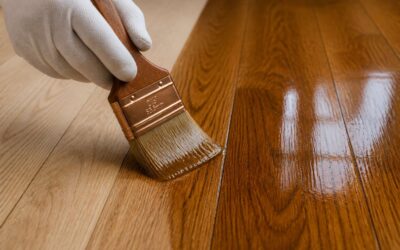
The finishes and aftercare form the final act of the workflow, a humane capstone defining durability and character. The coating choice shapes the room’s mood long after the dust has settled. Consider these options for finishes:
- Urethane or polyurethane for hard-wearing durability
- Water-based finishes for clarity and low odour
- Oil-based finishes for depth and warmth
Aftercare is a quiet vow: protect from harsh sun, respect humidity swings, and let daylight play on the boards. This is the essence of wooden floor sanding payoff: a surface that breathes, gleams, and invites conversation long after the last sweep.
Health, Safety, and Compliance
“A floor that breathes tells a better story than any paint job.” In South Africa, the floor refinishing workflow puts health, safety, and compliance at the core—because wooden floor sanding isn’t just cosmetic; it’s a guarantee that a room remains a living space, not a cloud of sawdust.
Health and safety in the refinishing process means planning, protection, and practical wisdom on site. Here are the non-negotiables that keep everyone breathing easy while we bring character back to timber:
- Personal protective equipment (PPE) appropriate to the task
- Ventilation and dust management to protect occupants
- Adherence to the South African OHS Act and local regulations
Beyond PPE and permits, a solid refinishing plan tracks dust containment, ventilation, waste disposal, and training. When these elements are in place, the floor refinishing yields a durable, attractive finish without drama or dust storms.
Cost, Timeline, and Hiring Decisions
“A floor speaks in the grain’s stubborn whisper,” and the truth lands hard: the floor refinishing workflow in South Africa unfurls like a midnight corridor where every step echoes with cost and time. For wooden floor sanding, a clear outline helps owners see where craftsmanship begins and numbers harden, before a single grain is touched.
- Cost factors: timber condition, room size, finish type, and equipment rental.
- Timeline: prep days, sanding slots, curing periods, and weather buffers.
- Hiring decisions: choose a qualified contractor vs. assembling an in-house team, checking licenses and insurance.
The decision to hire isn’t merely a budget choice; it’s a pact with the house, a promise of fewer dust storms and longer-lived beauty.



0 Comments